Why Replacing Missing Teeth in the Elderly Is Essential for Health, Digestion, and Overall Well-Being
Many seniors assume that losing teeth is a natural part of aging and learn to “manage without them.” Unfortunately, untreated tooth loss can significantly affect chewing ability, digestion, nutrition, confidence, and overall quality of life.
As we grow older, maintaining good health becomes increasingly important. However, one aspect of health that is often overlooked in elderly individuals is oral health—especially missing teeth. Many seniors assume that losing teeth is a natural part of aging and learn to “manage without them.” Unfortunately, untreated tooth loss can significantly affect chewing ability, digestion, nutrition, confidence, and overall quality of life.
Modern dentistry now offers advanced solutions such as dental implants and fixed dentures that can restore strong chewing efficiency, improve digestion, and help elderly individuals enjoy a healthier and more active life.
The Hidden Impact of Missing Teeth in Elderly Individuals
Missing teeth affect much more than appearance. Teeth play a critical role in breaking down food properly before it reaches the stomach. When chewing becomes difficult, elderly patients often avoid nutritious foods such as:
- Fruits
- Raw vegetables
- Nuts
- Protein-rich foods
- Fiber-rich foods
Instead, they tend to consume softer, processed, and carbohydrate-heavy foods that are easier to chew but often less nutritious.
Over time, this can contribute to:
- Poor digestion
- Nutritional deficiencies
- Weak immunity
- Weight loss or unhealthy weight gain
- Gastric discomfort
- Reduced energy levels
- Decline in overall health
How Proper Chewing Improves Digestion:
Digestion actually begins in the mouth. Healthy teeth help grind food into smaller particles, making it easier for the stomach and intestines to process nutrients efficiently.
When teeth are missing:
- Food is swallowed in larger pieces
- The stomach works harder to digest food
- Nutrient absorption may decrease
- Acid reflux and bloating can become more common
Restoring missing teeth with implants or fixed dentures helps seniors chew food more effectively, improving digestion and allowing the body to absorb nutrients better.
Dental Implants: A Modern Solution for Missing Teeth
Dental Implant are one of the most advanced and reliable options for replacing missing teeth.
A dental implant acts like an artificial tooth root placed into the jawbone, supporting a crown, bridge, or fixed denture. Unlike removable dentures, implants are stable and function much like natural teeth.
Benefits of Dental Implants for Elderly Patients
1. Improved Chewing Ability
Dental implants restore strong biting force, allowing elderly individuals to comfortably eat foods they may have avoided for years.
2. Better Digestion and Nutrition
With improved chewing efficiency, seniors can return to a balanced diet rich in fiber, vitamins, and proteins.
3. Prevention of Bone Loss
When teeth are missing, jawbone shrinkage begins over time. Implants stimulate the bone and help maintain facial structure.
4. Enhanced Speech
Missing teeth or loose dentures can affect pronunciation. Implants provide stability for clearer speech.
5. Increased Confidence
Many elderly patients feel self-conscious about missing teeth or loose dentures. Implant-supported teeth look natural and help restore confidence while speaking and smiling.
What Are Fixed Dentures?
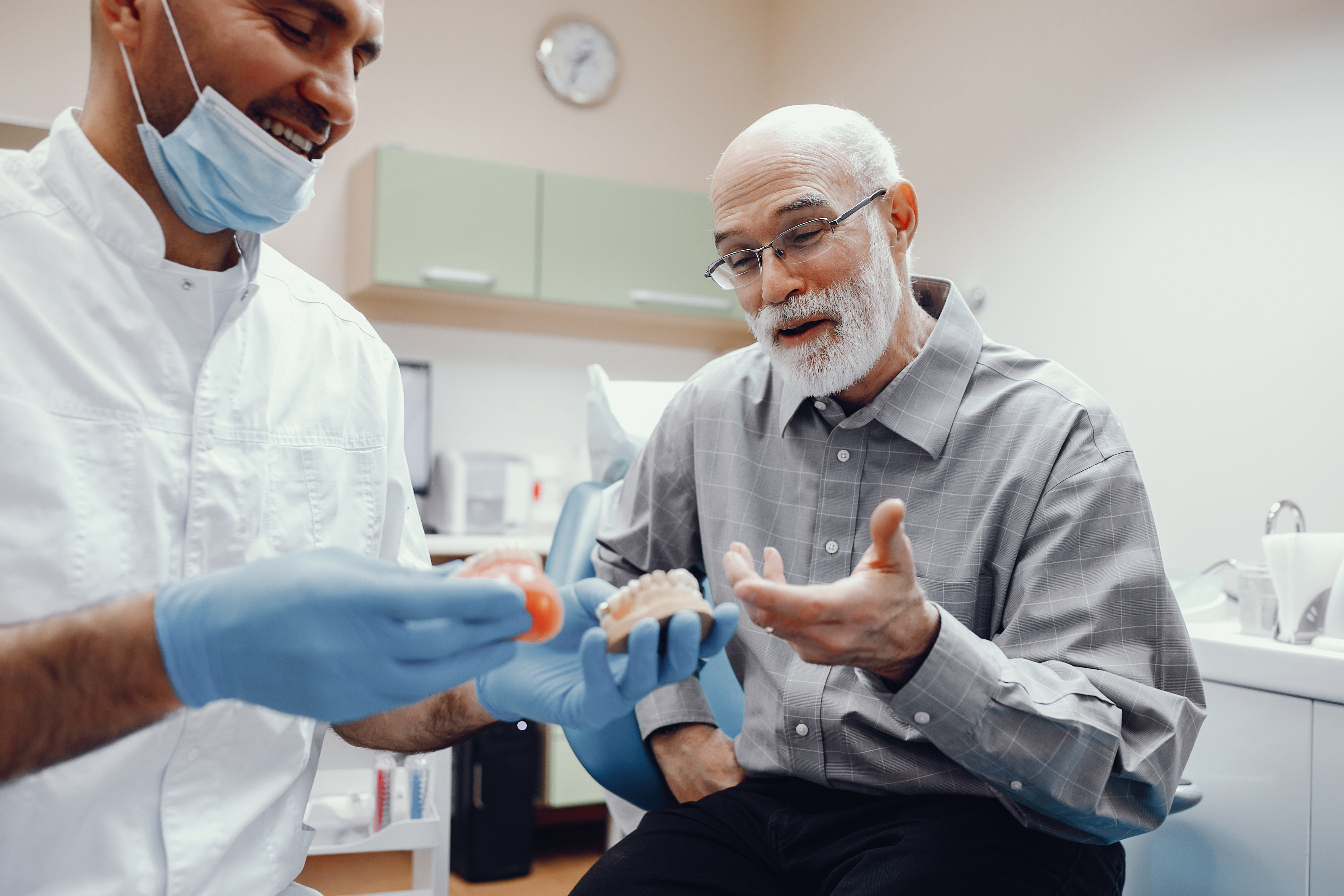
Fixed Denture are implant-supported replacement teeth that remain securely fixed inside the mouth. Unlike traditional removable dentures, fixed dentures do not move or slip while eating or talking.
These are especially beneficial for elderly patients who have lost multiple or all teeth.
Advantages of Fixed Dentures:
- Stronger chewing efficiency
- Greater comfort than removable dentures
- No need for denture adhesives
- Improved stability while eating
- Natural appearance
- Better quality of life
Many seniors who switch from removable dentures to fixed implant dentures report dramatic improvements in comfort, eating habits, confidence, and social interactions.
The Emotional and Social Benefits of Restoring Teeth:
Tooth loss can affect emotional well-being just as much as physical health.
Elderly individuals with missing teeth may
- Avoid social gatherings
- Feel embarrassed while smiling
- Lose confidence while speaking
- Experience reduced self-esteem
Restoring teeth with implants and fixed dentures often helps seniors regain independence, confidence, and enjoyment in daily life.
Are Dental Implants Safe for Elderly Patients?
One common misconception is that older individuals are “too old” for dental implants. In reality, age alone is not a limitation.
Many seniors in their 60s, 70s, and even 80s successfully receive dental implants. What matters most is overall health, bone condition, and proper dental evaluation.
With modern technology and advanced implant techniques, treatment has become safer, more comfortable, and highly predictable.
Signs That an Elderly Person May Benefit From Dental Implants or Fixed Dentures
A consultation with a dentist may be beneficial if an elderly patient experiences:
- Difficulty chewing food
- Loose dentures
- Frequent stomach discomfort due to poor chewing
- Missing multiple teeth
- Facial collapse due to tooth loss
- Avoidance of certain foods
- Reduced confidence while speaking or smiling
Investing in Oral Health Is Investing in Overall Health
Healthy teeth are essential for maintaining proper nutrition, digestion, and quality of life—especially in elderly individuals. Replacing missing teeth is not merely a cosmetic treatment; it is an important step toward better overall health and well-being.
Modern dental implants and fixed dentures can help seniors eat comfortably, digest food better, speak confidently, and enjoy life more fully.
A healthy smile can truly contribute to healthier aging.
Conclusion:
Tooth loss in elderly individuals should never be ignored. Difficulty chewing can directly impact digestion, nutrition, and overall health. Fortunately, modern dentistry offers highly effective solutions such as dental implants and fixed dentures that restore both function and confidence.
Helping elderly patients regain the ability to eat comfortably is more than dental treatment—it is a way to improve their health, happiness, and quality of life for years to come.
About Dr. Sreedhar Reddy – Esthetix Dental
With over 24 years of experience in advanced dentistry, Dr. Sreedhar Reddy is highly regarded for his expertise in dental implants, fixed bridges, and dentures. He has helped countless elderly patients regain their ability to chew comfortably, smile confidently, and enjoy a healthier quality of life.
At Esthetix Dental, Dr. Sreedhar Reddy focuses on providing personalized treatment solutions that restore both function and aesthetics. His patient-centered approach, combined with extensive experience in implantology and full-mouth rehabilitation, ensures long-lasting and comfortable results for seniors dealing with missing teeth.
Whether it is replacing a single missing tooth or restoring complete oral function with fixed dentures and implants, Dr. Sreedhar Reddy believes that every patient deserves to eat well, smile freely, and live confidently at every age.